Traders payouts since 2025: $26,769,485

What Are Commodities?

Discover what commodities are, how they work, and why they matter in trading and investing.

What Are Commodities?

Commodities are essential raw materials and agricultural products—such as oil, gold, wheat, and coffee—that are actively traded in global financial markets. These assets form the foundation of the world economy and play a vital role in production, consumption, and trade.


At Ohio Markets, clients can trade commodity CFDs (Contracts for Difference), allowing them to speculate on price movements without owning the physical commodity. This provides flexible market access, the ability to trade both rising and falling prices, and exposure to global commodity markets from a single trading platform.


Historically, commodities have driven global trade and economic development for centuries. Today, they continue to serve a dual purpose—supporting industrial demand while also offering opportunities for trading and portfolio diversification.

Soft vs. Hard Commodities

Commodities are generally divided into two main categories:

Soft Commodities

Soft commodities are typically grown rather than mined and are often influenced by weather patterns and seasonal demand. Examples include:

  • Coffee

  • Cotton

  • Soybeans

  • Wheat

Hard Commodities

Hard commodities are naturally extracted resources, widely used in industrial production and energy markets. Examples include:

  • Crude Oil (Brent & WTI)

  • Gold

  • Natural Gas

  • Silver

Commodities vs. Other Financial Instruments

InstrumentDescriptionTangibilityVolatilityDiversification BenefitExample
CommoditiesRaw materials traded globallyPhysicalHighHighTrading crude oil during supply disruptions
StocksOwnership shares in companiesIntangibleMediumModerateTrading Apple or Tesla shares
ForexCurrency exchange traded in pairsIntangibleMedium–HighModerate–HighTrading EUR/USD on interest rate news
BondsGovernment or corporate debt instrumentsIntangibleLow–MediumModerate–HighInvesting in government bonds

Benefits of Commodities Trading

Commodities offer several advantages that make them attractive to traders and investors:

  • Portfolio Diversification
    Commodities often have a low correlation with stocks and bonds, helping reduce overall portfolio risk.

  • Hedge Against Inflation
    Physical commodities frequently retain or increase value during inflationary periods.

  • Global Market Opportunities
    Commodity prices react to geopolitical events, economic cycles, and supply-demand shifts, creating frequent trading opportunities.

  • High Liquidity and Market Access
    Popular commodities like gold and oil trade in deep, liquid markets suitable for various trading styles.

How Commodity Prices Are Determined

Commodity prices are shaped by multiple interconnected global factors:


Supply and Demand

Scarcity, production levels, and consumption patterns are the primary drivers of price movement.


Geopolitical Events

Conflicts, sanctions, trade policies, and production agreements can disrupt supply chains and impact prices.


Weather and Seasonality

Critical for agricultural and energy commodities—events such as droughts, hurricanes, or cold winters can influence output and demand.


Economic Indicators

Global GDP growth, interest rates, and currency movements also affect commodity pricing.

Example: In 2020, coordinated oil production cuts by OPEC helped lift crude oil prices after a sharp demand collapse caused by the global pandemic.

Risks and Rewards of Commodity Trading

Commodity trading offers strong profit potential but also carries risks due to price volatility and global market influences.

Risk Management Tips:

  • Use stop-loss orders to help limit downside risk

  • Stay informed on global news affecting supply and demand

  • Diversify across multiple commodities and asset classes

  • Use leverage cautiously to manage exposure during volatile conditions

Explore More About Commodity Trading

How to Trade Commodities?

Explore a step-by-step guide on trading commodities, designed to help traders understand the basics and key considerations involved.
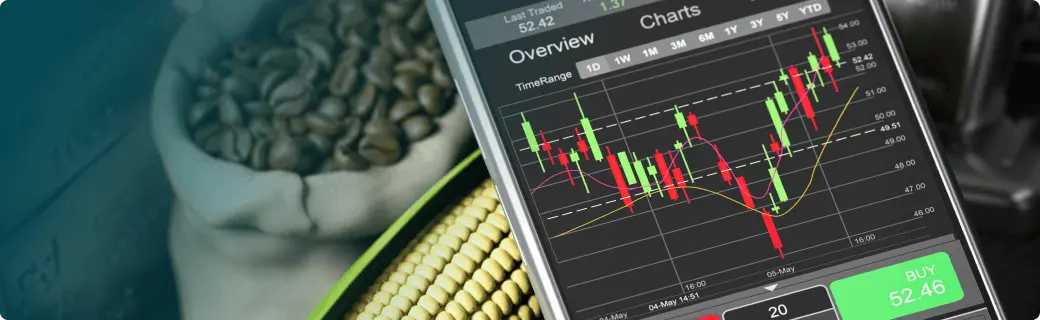
Why Trade Commodities?

Learn about the factors that make commodities an important asset class and why traders consider them as part of a diversified trading strategy.

Commodity Trading Strategies

Explore various strategies that are commonly used in the commodities market, including approaches for short-term trades, trend-following, and long-term portfolio management.

Premium Broker

Why Trade with Us?

Trade with a Forex broker that ensures the highest market standards for your trading convenience.

Be Confident, Be Sure

Image link
Trade with confidence
Ohio Markets operates under the FSC license, helping traders grow stronger at every step of their trading journey.

150+ countries
Uniting traders from all over the world.
24/7 support
Get a reply in less than a minute or schedule a callback.
Your Trading journey is safe and secure
We provide advanced technical protection, including segregated accounts, regulated payment compliance, SSL certification, and more.

200+ payment methods
Deposit and withdraw via local banks & global methods. Instant automated withdrawals available.

Trust We Have Earned

Image link
Image link
Image link
Image link
Image link
Image link
Image link