Traders payouts since 2025: $26,769,485

How to Trade Commodities

Explore instruments, strategies, and tips to navigate the different Commodities markets more effectively.

How to Trade Commodities

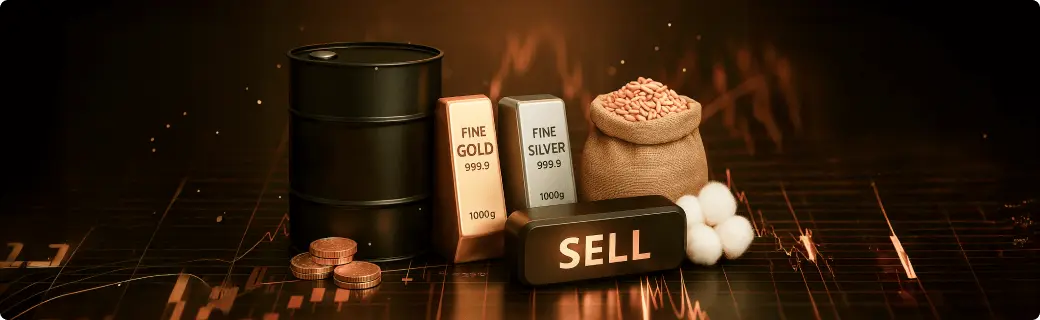
Commodities are raw materials or primary agricultural products that are traded in global financial markets. Common examples include gold, crude oil, wheat, and coffee. These assets play a vital role in the global economy and are widely traded by both investors and traders.

Commodities are broadly categorised into two main groups:

  • Hard Commodities – Natural resources that are mined or extracted, such as metals and energy products (e.g. gold, silver, crude oil, natural gas).

  • Soft Commodities – Agricultural products that are grown or farmed, including crops and livestock (e.g. coffee, wheat, cotton, soybeans).

Why Trade Commodities?

Commodities offer exposure to unique market dynamics that differ from equities and forex. Traders often consider commodities for the following reasons:

  • Portfolio diversification beyond traditional asset classes

  • Potential hedge against inflation and periods of market uncertainty

  • Exposure to global supply and demand forces, geopolitical events, and seasonal factors

  • Flexibility to trade short-term price movements or long-term market trends

Step-by-Step Guide to Commodity Trading

Trading commodities typically involves a structured and disciplined approach. Below is an overview of the key steps traders may consider when analysing, executing, and managing commodity trades across energy, metals, and agricultural markets.

Step 1: Decide on Your Trading Instrument

Commodities can be traded using different instruments, each with its own characteristics. Traders often evaluate their strategy, capital availability, and risk tolerance before choosing an instrument.

InstrumentOverviewKey FeaturesTypically Used ByConsiderations
CFDsTrade price movements without owning the underlying assetLeverage, ability to go long or short, lower capital requirementsTraders seeking short-term exposure and flexibilityOvernight fees, market volatility, leverage risk
FuturesStandardised contracts to buy or sell at a set price on a future dateExchange-traded, transparent pricingProfessional or institutional tradersHigh margin requirements, contract expiry and rollovers
ETFsExchange-traded funds tracking one or more commoditiesDiversified, passive exposureLong-term investorsManagement fees, potential tracking error
Physical CommoditiesDirect ownership of assets such as gold bullionTangible asset, no counterparty riskInvestors seeking asset-backed securityStorage, insurance, transport costs, lower liquidity

Step 2: Choose Ohio Markets as Your CFD Broker

Selecting a trusted broker is an important part of executing your trading strategy effectively.

Ohio Markets offers:

  • Tight spreads and competitive pricing

  • Fast and reliable trade execution

  • Industry-standard platforms including MT4 and MT5

  • Advanced charting and technical analysis tools

  • Real-time market insights

  • 24/7 customer support

Step 3: Open and Fund Your Commodities CFD Trading Account

Getting started with Ohio Markets is straightforward:

  1. Open a live trading account via our secure online platform

  2. Verify your identity to complete registration

  3. Fund your account using multiple available payment methods

  4. Access the platform and begin analysing commodity markets

Step 4: Research Commodities to Trade

Informed trading decisions are commonly based on a combination of analytical approaches:


Fundamental Analysis

Focuses on real-world factors that influence commodity prices, including:

  • Supply and demand dynamics

  • Weather and seasonal conditions

  • Geopolitical developments

  • Broader macroeconomic trends

Technical Analysis

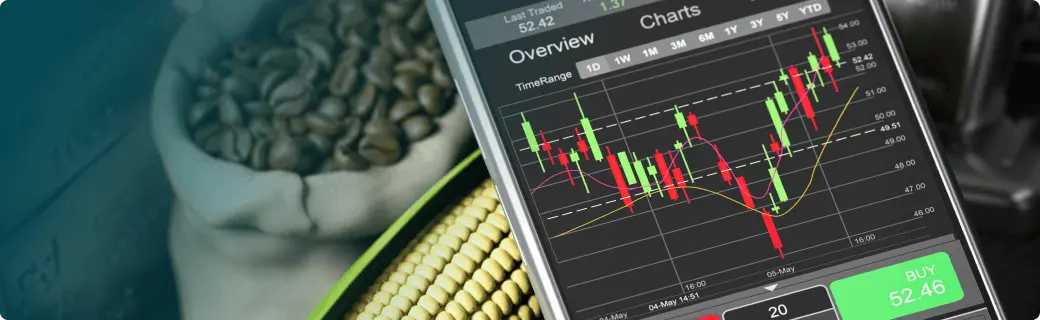
Uses historical price charts and technical indicators to identify:

  • Market trends

  • Potential entry and exit points

  • Support and resistance levels

Traders may choose to go long if they expect prices to rise, or go short if they anticipate a decline. Both approaches involve risk and should be supported by careful analysis.

Step 5: Manage Your Risk

Commodity markets can be volatile, making risk management a key consideration. Common techniques traders may apply include:

  • Using stop-loss and take-profit orders to help manage downside risk

  • Diversifying across commodities and other asset classes

  • Applying disciplined position sizing and cautious use of leverage

  • Staying mindful of emotional decision-making during volatile market conditions

Explore More About Commodity Trading

 What are Commodities?
What are Commodities?

Discover how raw materials like gold, oil, and wheat influence global markets. This section breaks down commodity types (hard and soft), their economic significance.
Why Trade Commodities?

Learn about the factors that make commodities an important asset class and why traders consider them as part of a diversified trading strategy.

Commodity Trading Strategies

Explore various strategies that are commonly used in the commodities market, including approaches for short-term trades, trend-following, and long-term portfolio management.

Premium Broker

Why Trade with Us?

Trade with a Forex broker that ensures the highest market standards for your trading convenience.

Be Confident, Be Sure

Image link
Trade with confidence
Ohio Markets operates under the FSC license, helping traders grow stronger at every step of their trading journey.

150+ countries
Uniting traders from all over the world.
24/7 support
Get a reply in less than a minute or schedule a callback.
Your Trading journey is safe and secure
We provide advanced technical protection, including segregated accounts, regulated payment compliance, SSL certification, and more.

200+ payment methods
Deposit and withdraw via local banks & global methods. Instant automated withdrawals available.

Trust We Have Earned

Image link
Image link
Image link
Image link
Image link
Image link
Image link